
Crafting Residences for Harmonious Family Livelihoods
Modern Multi-Generational Homes: A Balance of Privacy and Connection
In today's world, the concept of family living is evolving, and multi-generational homes are making a comeback, offering a modern twist on traditional living arrangements. These homes, designed with functional and inclusive spaces, aim to cater to diverse needs, foster privacy, and promote connection among family members of all ages.
At the heart of these designs are multi-generational floor plans with self-contained units. These spaces often feature separate bedrooms, full bathrooms, kitchenettes, independent entrances, and even laundry and garage access within the same home. This layout allows for privacy and autonomy within a shared residence, functioning like a "home within a home."
Flexible and dual master layouts are another key design strategy. Incorporating dual master bedrooms, additional bathrooms, and adaptable rooms provides versatility for family members of different generations, supporting changing needs over time.
Luxury and wellness integration are also becoming increasingly popular. High-end designs include wellness-focused amenities such as spa-quality bathrooms, infrared saunas, and private suites, promoting relaxation and self-care for all residents.
Smart technology and multi-functionality play a significant role in these homes. Integration of smart home technologies (automated lighting, smart thermostats, sound systems) enhances comfort and convenience without sacrificing style. Multi-functional spaces that convert or adapt for various uses support efficient, flexible living suitable for differently aged family members.
Design aesthetics that honor heritage and contemporary needs are also crucial. Developers blend traditional heritage aesthetics with modern frameworks, crafting homes that feel timeless yet adaptable to present and future family dynamics.
The designs respond to evolving demographics, such as longer lifespans, immigrant family structures, and financial benefits sought by millennials moving back home. The aim is to create spaces that comfortably support these configurations.
Natural light is crucial in these homes, boosting mood and enhancing well-being. Incorporating large windows, skylights, or glass doors can create inviting spaces where sharing stories and memories becomes part of the daily rhythm.
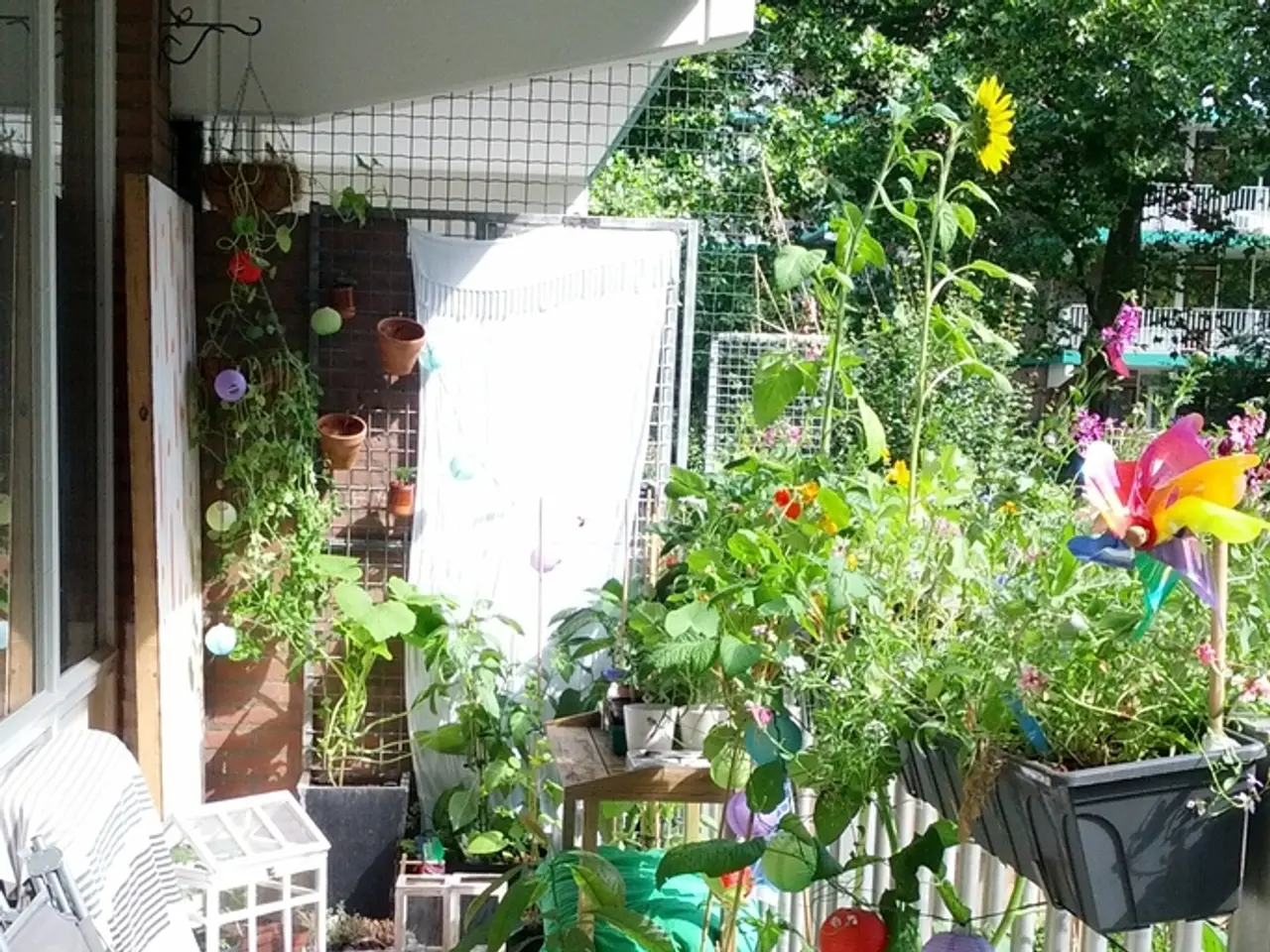
Outdoor spaces, such as gardens, dining areas, and play zones, can enrich family bonding experiences and provide opportunities for relaxation and connection. Al fresco dining can become a cherished family tradition, transforming ordinary meals into lasting memories.
Multi-use areas and furniture that can serve multiple purposes should be considered. Integrated home theaters or seamless access to streaming services can facilitate shared entertainment experiences. A community garden can be a rewarding project that inspires creativity and collaboration among family members.
Thoughtful floor plans are essential for facilitating dynamic interactions. The layouts prioritize functionality, with spaces that cater to diverse needs, making it easier to navigate the challenges of multi-generational living.
Embracing technology and thoughtful design can forge a family environment that thrives on collaboration and communication, making it easier to navigate the challenges of multi-generational living. At the core, these homes are rooted in love, shared experiences, and unwavering support.
- The integration of smart home technologies, such as automated lighting, smart thermostats, and sound systems, is a significant aspect of these modern multi-generational homes, enhancing comfort and convenience.
- Multi-functional spaces that convert or adapt for various uses, like integrated home theaters or community gardens, support flexible living suitable for differently aged family members.
- Incorporating large windows, skylights, or glass doors can create inviting spaces in these homes, boosting mood and enhancing well-being.
- Dual master bedrooms, additional bathrooms, and adaptable rooms in these homes offer versatility for family members of different generations, supporting changing needs over time.
- designs of multi-generational homes often feature separate bedrooms, full bathrooms, kitchenettes, independent entrances, and garage access, allowing for privacy and autonomy within a shared residence.
- Natural light, outdoor spaces like gardens, dining areas, and play zones, and al fresco dining experiences in these homes can enrich family bonding experiences, providing opportunities for relaxation and connection.