
Expert Revelations on Mastering the Art of Window Blockage
When it comes to renovating a property, maintaining the aesthetic integrity of the building is crucial. This is particularly true when bricking up windows, a common practice during renovations. Here are some tried-and-tested methods to ensure a seamless finish.
Firstly, matching bricks is key. Find bricks that harmonise with the existing ones in terms of colour, texture, and size. If possible, reuse old bricks from another part of the building or source them from similar aged structures. This not only maintains uniformity but also helps the new section blend in with the rest of the wall.
Maintaining the brick pattern, or bond, is another essential step. Ensure that the new bricks are laid in the same pattern as the existing wall. In some cases, this might involve removing some surrounding bricks to allow for a seamless continuation of the pattern.
Weathering and tinting are also effective methods to make the bricked area blend in more effectively. Use weathering tints to match the colour of the new bricks with the aged look of the existing bricks. Alternatively, apply limewash or masonry tints to tone down the new bricks and make them appear more weathered.
Repointing the joints is another crucial step. Ensure that the mortar joints are repointed to match the style and colour of the existing joints. This helps to create a uniform appearance between the old and new sections of the wall.
If a perfect brick match cannot be found, rendering the whole wall may be considered. However, it's worth noting that unless the existing wall is in really bad condition, rendering a brick wall should be avoided if possible.
For a cavity wall, insulation can be added to the inside of the new brickwork before blocking up the opening internally and having it plastered over.
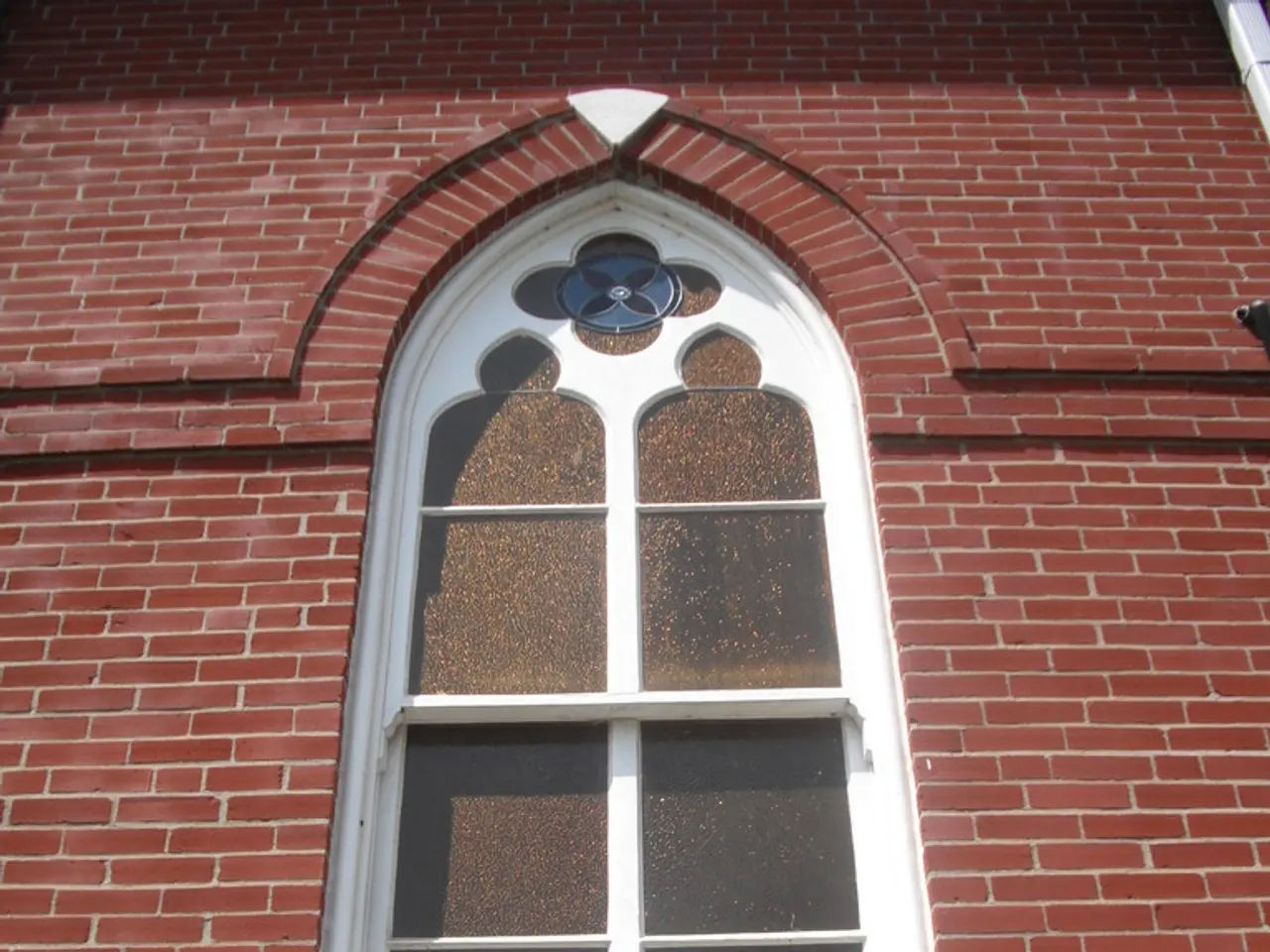
Tina Patel, director at Architect Your Home, offers some additional advice. She suggests spending some time colour matching the brick and using brick tinting to make new bricks blend seamlessly with old ones. Tina also advises removing any old brick arches or soldier coursing (the vertical bricks above a window opening) and following the adjacent brick pattern through.
When dealing with a solid wall, a double thickness of bricks is needed to ensure the levels match up. Finally, the interior of the wall, where the window was once positioned, will also require attention.
Farook Member, director of QS Supplies and a seasoned expert in the home improvement and bathroom industry, suggests looking for reclaimed bricks among local salvage yards or taking them from an out-of-sight part of the property. He also advises making sure bricks are keyed in to allow for the brick bond to continue in the same pattern.
In the majority of cases, planning permission will not be required to brick up a window. However, it's always a good idea to check with your local planning authority to be certain.
By following these methods, you can achieve a seamless finish when bricking up windows during a renovation project. Happy renovating!
- During renovations when bricking up windows occurs, it's essential to find bricks that harmonize with the existing ones in terms of color, texture, and size.
- Tina Patel, the director at Architect Your Home, suggests spending time color matching bricks and using brick tinting to make new bricks blend seamlessly with old ones.
- For a cavity wall, insulation can be added to the inside of the new brickwork before blocking up the opening internally and having it plastered over.
- In some cases, maintaining the brick pattern or bond is another essential step, which involves removing some surrounding bricks to allow for a seamless continuation of the pattern.
- When dealing with a solid wall, a double thickness of bricks is needed to ensure the levels match up, and the interior of the wall, where the window was once positioned, will also require attention.
- Farook Member, director of QS Supplies and a seasoned expert in the home improvement and bathroom industry, suggests looking for reclaimed bricks among local salvage yards or taking them from an out-of-sight part of the property.
- In the majority of cases, planning permission will not be required to brick up a window, but it's always a good idea to check with your local planning authority to be certain.