
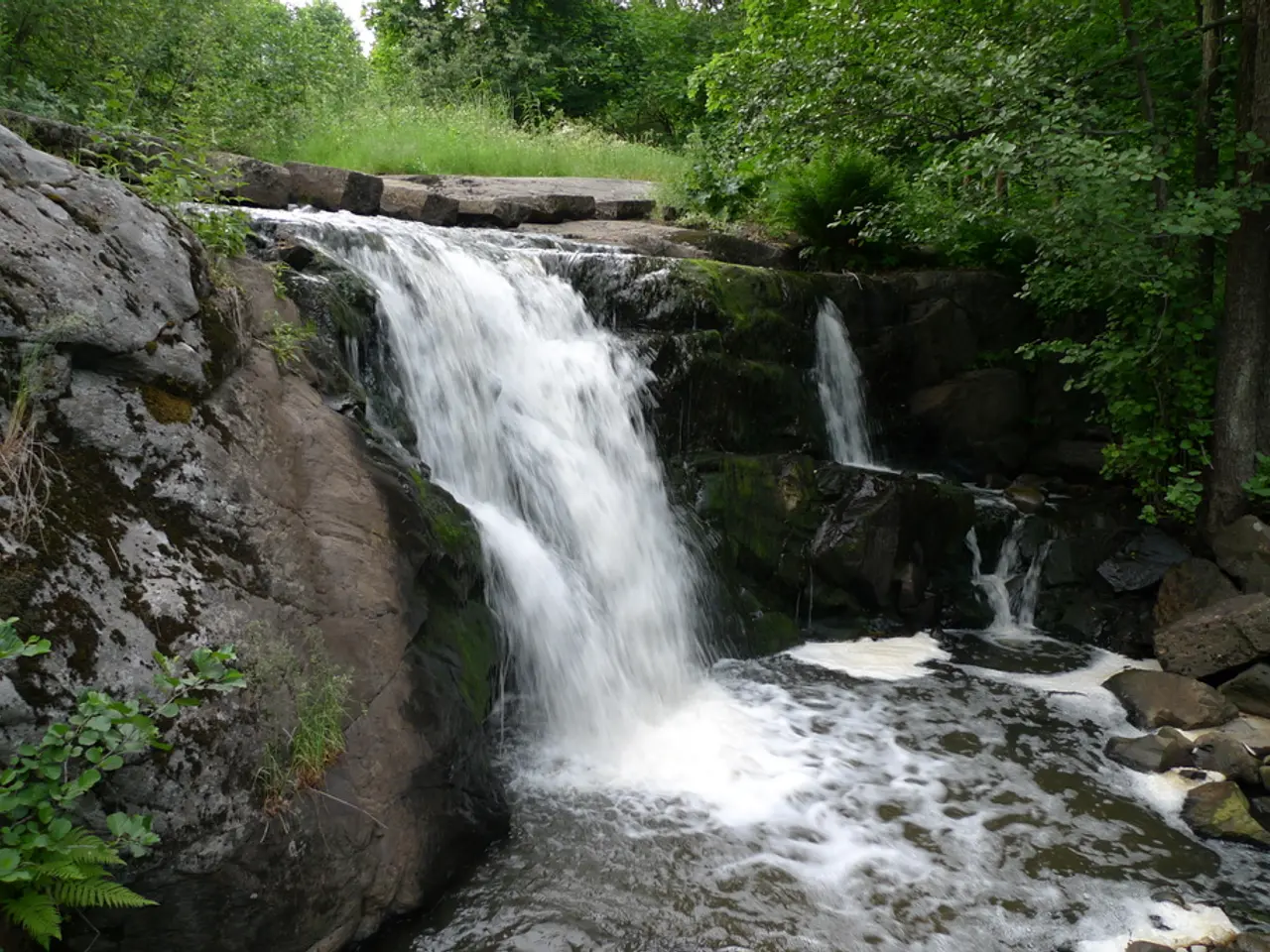
Guide on Waterfall Painting Techniques
In the captivating world of art, waterfalls present a unique challenge for painters - their dynamic flow and varying textures demand a skilled hand and a focused approach. To create stunning waterfall paintings, consider these key techniques: simplifying shapes, capturing movement, using a focused color palette, and depicting the contrast between rigid rocks and flowing water.
Simplifying Shapes
Begin by reducing the waterfall and surrounding elements to basic, broad shapes rather than detailing every drop of water or rock feature. This approach helps manage complexity and emphasizes the waterfall’s overall form, making brushstrokes looser and more expressive.
Capturing Movement
To convey flowing water, use varied brushwork to suggest motion—soft, vertical strokes for downward water flow combined with misty or blurred effects to represent splashing or spray. Layering translucent whites and light colors over darker backgrounds enhances the impression of movement and luminosity in water.
Using Color
Employ a simplified but harmonious color palette focusing on a few hues that convey light and atmosphere. For example, acrylic artists often use muted earth tones for rocks (burnt sienna, raw umber) paired with whites and cool blues or greens for water. This contrast highlights the water’s reflective and flowing qualities against solid rocks. Warm colors like yellows and reds can depict sunlight or autumn foliage nearby, enriching the scene.
Depicting Rigid Rocks vs. Flowing Water
Rocks are often painted with sharper edges, texture, and solid colors (sometimes using palette knives for texture), emphasizing their firmness and permanency. In contrast, water uses softer edges, blending, and translucent layers to show fluidity. Palette knives or varied brush pressures can create texture differences—rough for rocks and smooth or misty for water.
Summarized steps for waterfall painting: - Begin with broad, simplified shapes for water and surroundings. - Use loose, expressive brushstrokes to depict flowing water and spray. - Limit your palette to a few harmonious colors that separate water from rocks by tone and texture. - Use palette knives or textured brushwork for rigid rocks; softer blending and whites for water.
These techniques are demonstrated clearly in available acrylic painting tutorials focusing on impressionistic and palette knife methods, suitable for beginners and advanced painters aiming to represent waterfalls naturally and dynamically.
For a breathtaking example of these techniques in practice, look no further than John Singer Sargent's watercolor The Athenaeum, Mountain Waterfall. This masterpiece showcases the artist's ability to capture the movement of water without overdoing it on the detail.
Remember, when painting waterfalls, consider the darks as areas where the water is in shadow, areas where cast shadows are hitting, and areas where dark rocks are showing through. Use dark colors for the rocks and light colors for the water. Embrace solid and rigid brushwork for the rocks and fleeting and loose brushwork for the water. The scumbling technique is particularly effective to depict the hazy spray at the bottom of a waterfall.
As you embark on your waterfall painting journey, keep in mind the importance of considering cast shadows from surrounding trees or rocks, using darker colors for these areas and being mindful that they may be darker than they appear. To indicate wetness on rocks and trees, you may want to paint some partial reflections.
By mastering these techniques, you'll be well on your way to creating stunning, dynamic waterfall paintings that capture the essence of these natural wonders. Happy painting!
A landscape painting that highlights a waterfall can be an exhilarating addition to your home-and-garden, as it brings a touch of nature's dynamism into your lifestyle. When choosing a waterfall painting, consider techniques that emphasize the movement, such as loose brushstrokes, varying textures, and a focused color palette.
Following these techniques can help you create a captivating waterfall painting that mirrors the real-world majesty of these natural landscapes, making it an impressive statement piece in your home-and-garden or a thoughtful gift for a nature lover.