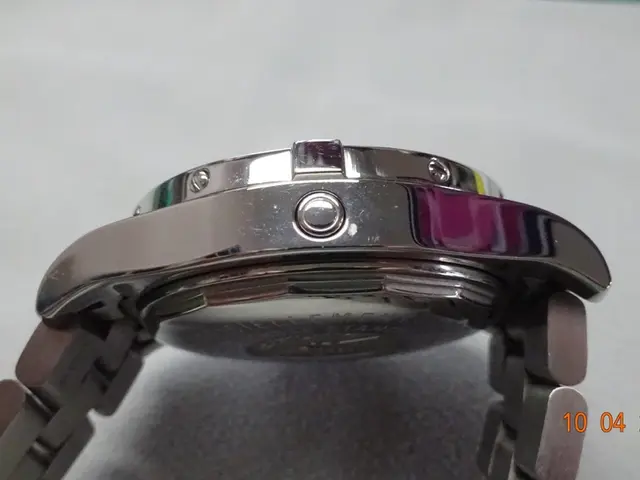
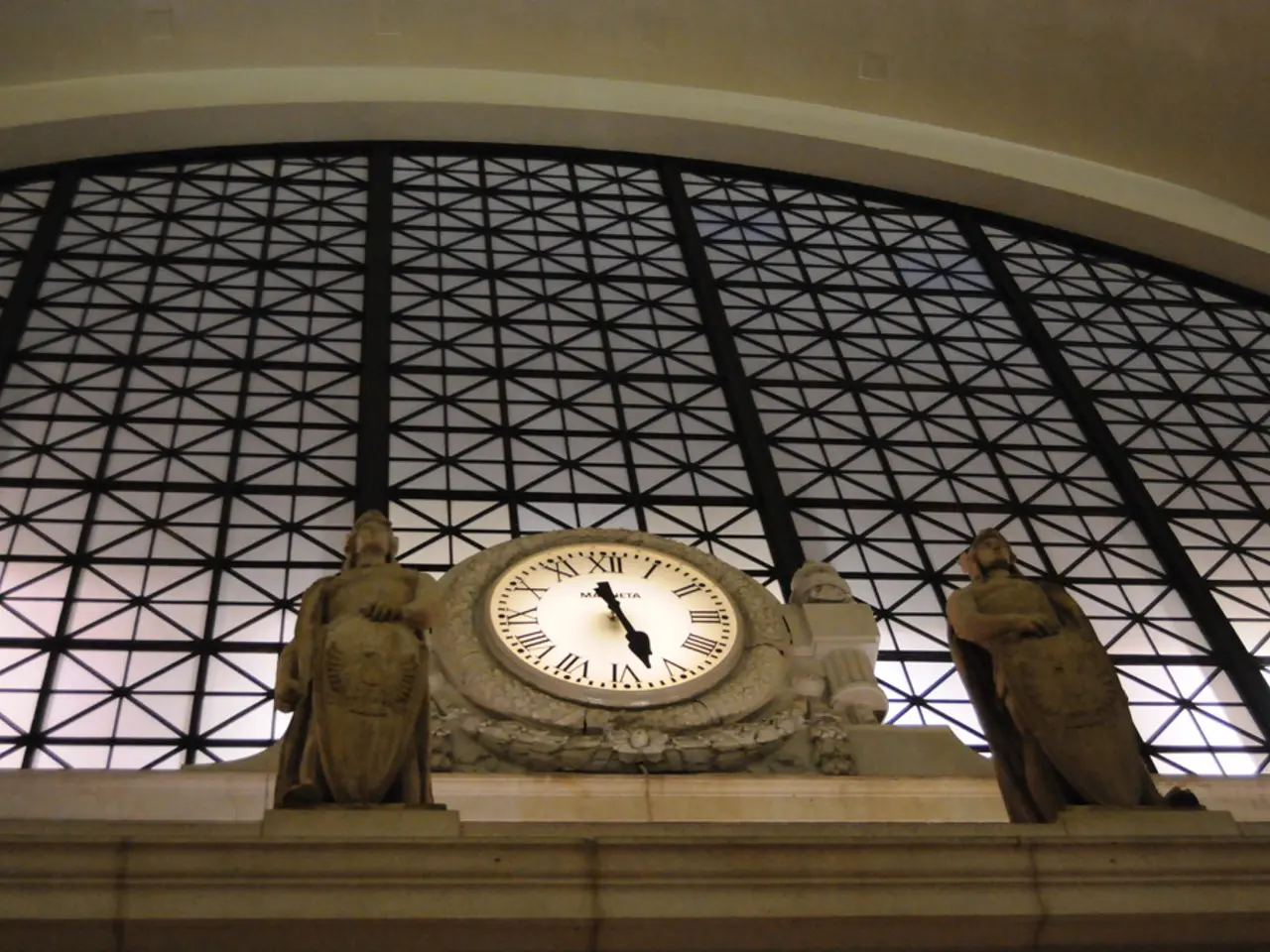
Rare, 1847 Elisha Manross steeple clock featuring unique brass mainsprings
Discovering the History of Brass Mainsprings in American Clocks
In the 19th century, the clock industry in America underwent significant changes, with innovations aimed at improving materials, manufacturing processes, and cost-efficiency. One such change was the use of brass mainsprings, which became popular during the period from roughly 1836 to 1850.
Why Brass?
Brass, an alloy of copper and zinc, was chosen for its corrosion resistance, ease of machining, and lower cost compared to steel. Traditionally, steel was preferred for mainsprings due to its superior elasticity and strength. However, high-quality steel springs were expensive and required skilled workmanship.
Use of Brass Mainsprings (1836-1850)
During this period, brass mainsprings appeared primarily in mass-produced clocks, particularly in lower-end models or certain designs like shelf clocks and cottage clocks. Brass was easier to fabricate into mainsprings without specialized steel tempering, helping manufacturers reduce costs and complexity.
However, brass springs had limitations. They were less elastic than steel, leading to reduced power and shorter clock run times. Brass is more prone to creep (slow deformation under constant stress), which affected accuracy. Furthermore, brass is susceptible to work hardening and breakage compared to spring steel.
Decline and Transition Back to Steel
By 1850, advances in steel production in America made steel mainsprings more accessible and affordable. This led to a decline in the use of brass mainsprings, as clockmakers returned to the higher-performing steel materials for reliability and better timekeeping.
Elisha Manross: A Pioneer in Connecticut Clockmaking
Elisha Manross (1792-1856) was an important figure in the Connecticut clock industry. He started his clockmaking career at the age of 20 in 1812 and was in business from 1827 to 1849. Though less commonly known, Manross played a significant role in the development of Connecticut clocks.
The clock made by Elisha Manross around 1847, which still has its original brass mainsprings in excellent condition, is a testament to this era in American clock history. The preservation of these mainsprings is important, as they represent a significant part of our clockmaking past.
Subscribe for Updates
If you're interested in learning more about antique and vintage clocks, consider subscribing to receive updates on our website. We offer a wide range of information on various clock models and makers, helping you to better understand the history and evolution of clockmaking in America.
A Note of Condolence
In these challenging times, we would like to extend our condolences to those affected by Covid-19. Our thoughts are with you, and we hope for a swift return to better days.
Sources: - Ball, Robert. "American Shelf and Wall Clocks." Antique Collectors' Club, 1978. - Hagstrom, Robert. "The American Clock: Its History and Development." Antique Collectors' Club, 1970. - Various online resources on American clock history.
Back to top
Vintage clocks, such as those made by Elisha Manross, often feature brass mainsprings, a common choice in the 19th century due to their cost-effectiveness and ease of machining.Brass mainsprings, while less elastic than steel, were a popular choice in mass-produced clocks during the period from 1836 to 1850 due to their affordability and ease of fabrication.As technology advanced, particularly in the realm of gadgets and home-and-garden items, the use of brass mainsprings in clocks declined, with steel mainsprings becoming more mainstream as they offered superior performance and reliability.An understanding of the history of clockmaking in America, including the use of brass mainsprings, and the evolution of the industry can be enhanced through subscribing to resources of fashion-and-beauty, home-and-garden, and lifestyle blogs.