
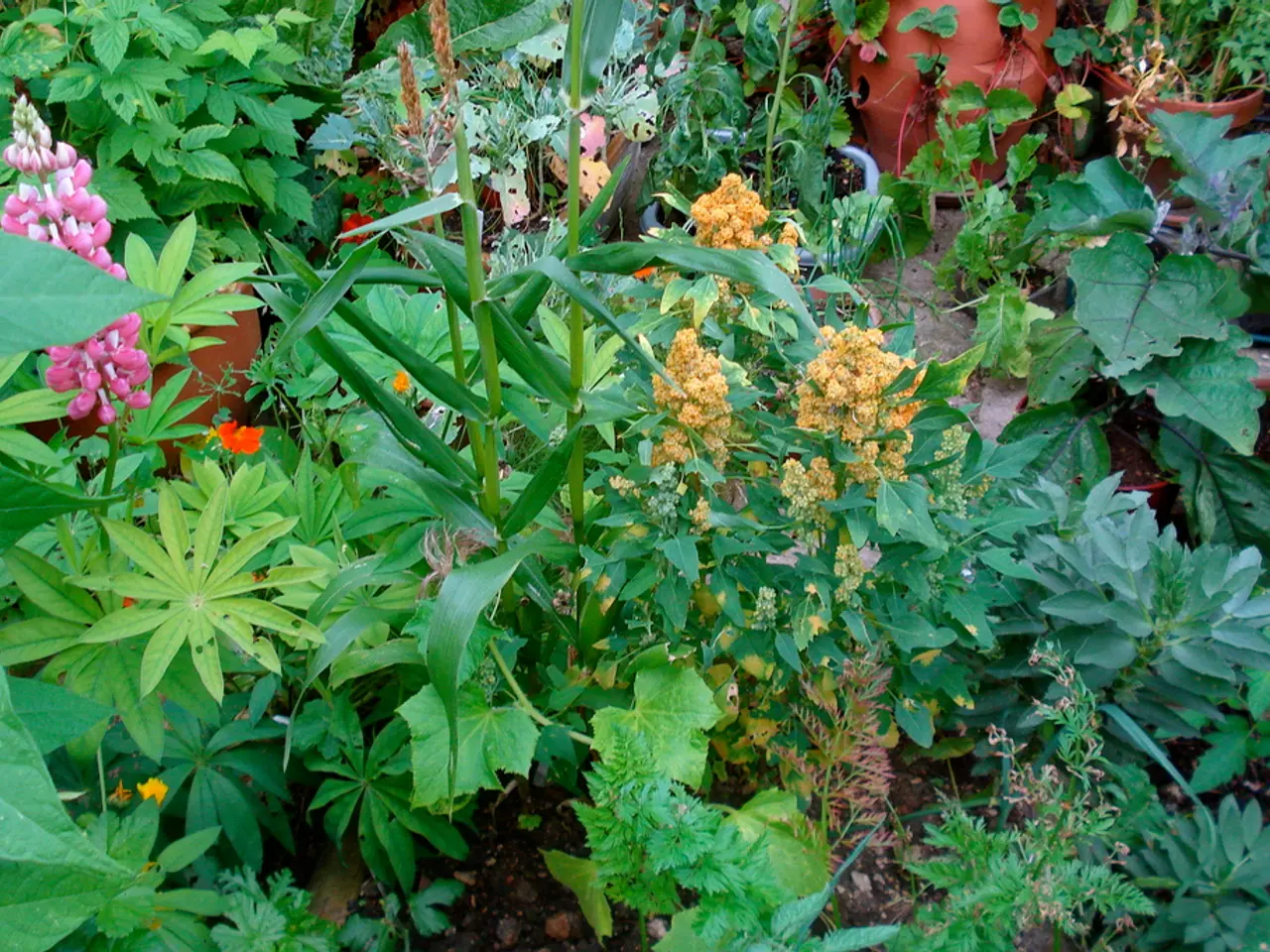
Transferring Your Garden to Your New Residence: A Step-by-Step Guide
Moving to a new home doesn't mean leaving your beloved garden behind. With careful planning and the right approach, you can successfully transport your plants to their new abode. Here's a step-by-step guide to help you move your garden.
Preparing Your Plants for the Move
- Uprooting Plants Carefully: Uprooting plants carefully is crucial to minimize trauma during transplanting. Use a trowel to dig a wide ring around them, being careful not to cut through any roots.
- Hydrating Your Plants: Ensure your plants are well-hydrated before being transported and transplanted. This will help them survive the move.
- Wrapping Roots: Wrap the roots in a damp burlap sack or place them in a pot with soil when uprooted. This will help retain moisture and protect the roots during transportation.
- Trimming Leaves: Trim the leaves of plants using a hand pruner to help them conserve energy during the move.
- Choosing the Right Time: The best time to transfer plants during a move is during the fall season. This allows the plants to acclimatize before the harsh winter months.
Choosing Which Plants to Move
- Resilient Plants: Herbs, succulents, and cactuses are generally resilient and should survive the move.
- Considering Factors: The decision to move plants should consider factors like their sentimental value, rarity, and comfort they bring.
- Large Plants: Big plants with complex root systems, such as trees and hedges, are difficult to move and should be left behind.
- Vegetables: Vegetables can be moved, but it's best to harvest first to prevent waste. Starting vegetables from scratch in the new property may be easier due to their fast growth.
Equipment for Moving Your Garden
While there is no direct information about a specific company that offers botanical tools and equipment helpful for moving a garden, companies specializing in garden tools, botanical gardens, or environmental technology might offer such equipment. One such company is ECOgardener, which offers essential gardening supplies and tools for moving a garden.
Transplanting Your Plants
- Watering: Water the newly transplanted plants every day or when needed to help them settle in their new environment.
- Replanting: Replant the uprooted plants as soon as they arrive at their destination.
- Covering Roots: Cover the roots with soil to protect them from dry air.
- Lighting: Keep direct sunlight away from newly transplanted plants for at least a couple of days. This will help them adjust to their new environment gradually.
- Flowering Plants: Flowering plants may need more care due to their sunlight requirements. Make sure to provide them with the right amount of light to help them bloom again.